






Rob Mooy – Managing Editor
I was born in Holland. My family immigrated to Canada in 1963.
While growing up, and still today, many of my friends believe the Dutch celebrate Christmas on December 6.
I’m always more than happy to set them straight, providing a quick lesson on Dutch holidays, and how this is actually Sinterklaas Day.
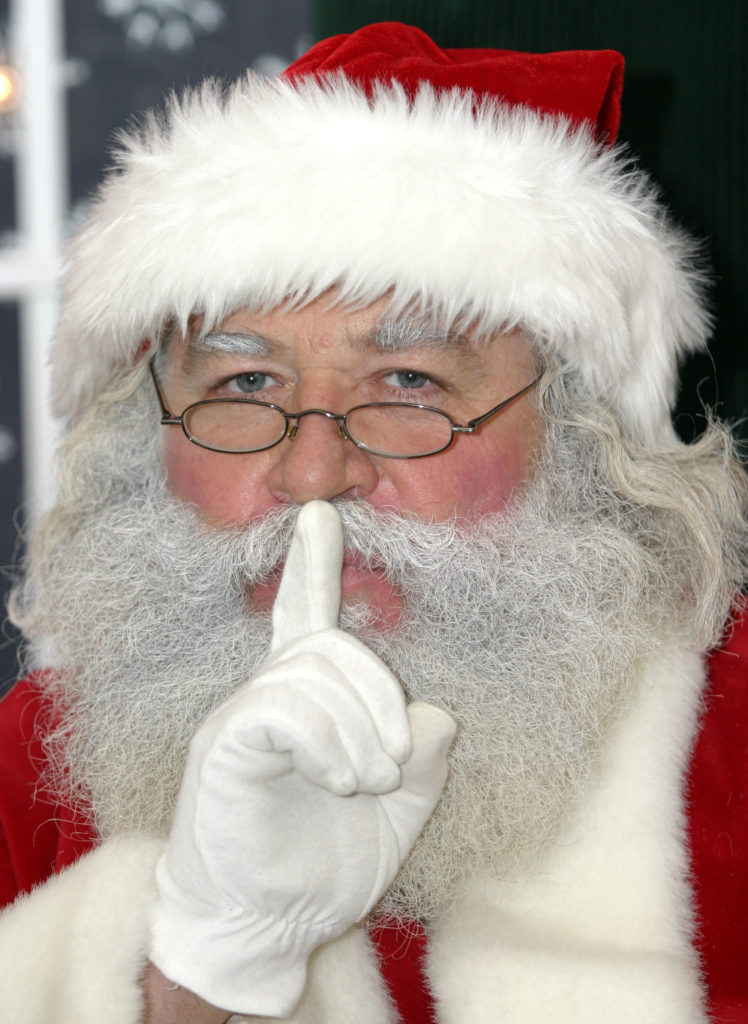
First and foremost, Sinterklass is not the Dutch Santa Claus!
This Dutch tradition is the feast of Sinterklaas or Saint Nicholas, was a bishop who lived centuries ago; he saved three children and was made a saint for his good deeds. That is why this holiday is more a special children’s celebration, but both adults and children join in the fun.
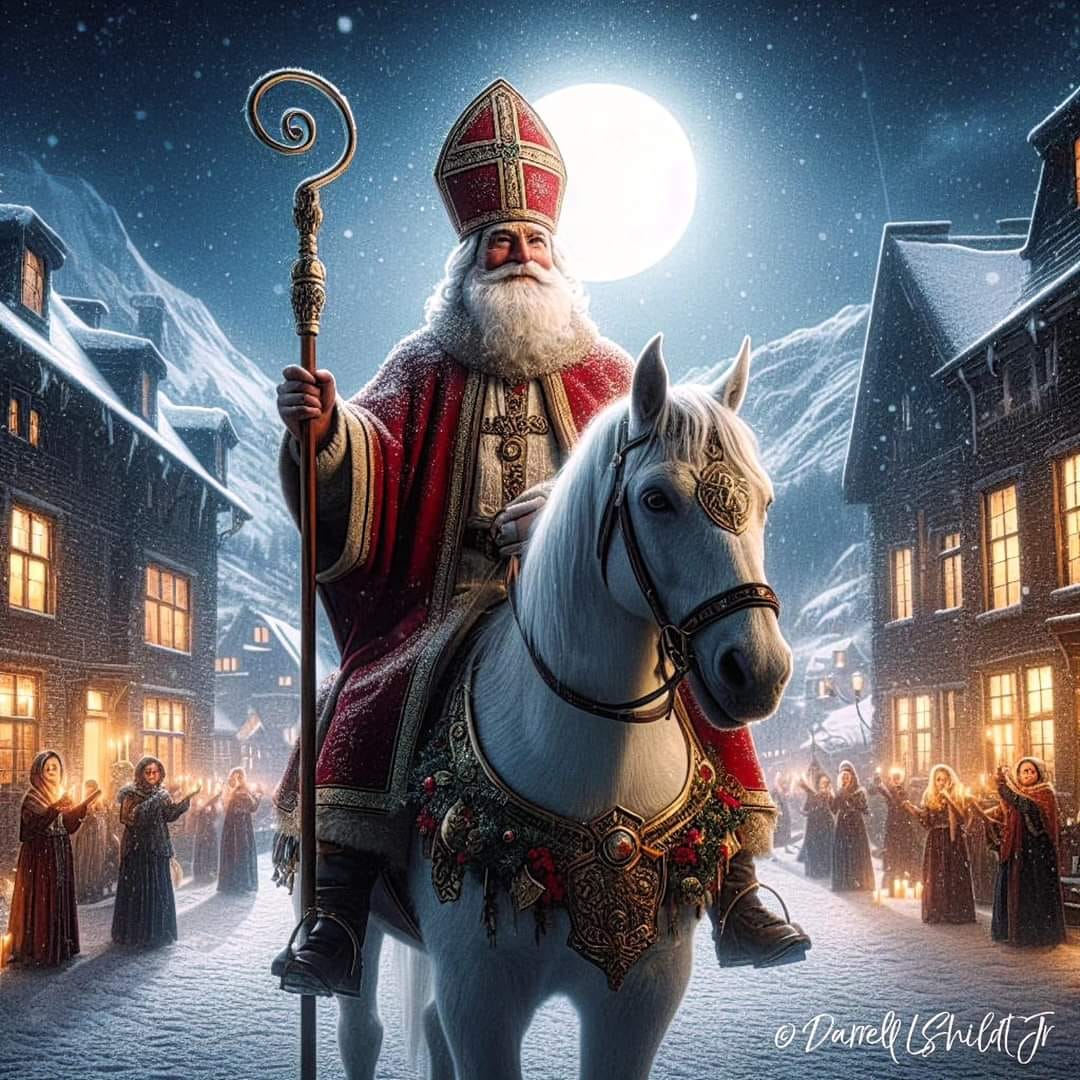
Dutch children anxiously look forward to St. Nicholas’ arrival in Holland, by boat, on the last Saturday of November. Dressed in traditional bishop’s robes and riding a white horse, Saint Nicholas, alongside his helper Zwarte Piet, disembark and begin travelling through the streets, much to the delight of thousands of excited children who are waiting to tell of their good behaviour over the past year.
The feast begins on the evening of December 5, when children leave their shoes, of the traditional wooden variety, by the door. Sinterklaas and Zwarte Piet journey over the rooftops bringing gifts for the children who have been good. Saint Nicholas’ Eve is usually when most families exchange presents.
The Dutch celebrate Sinterklaas, or Saint Nicholas Day, on December 6, with festive family parties.
It’s easy to see where the confusion comes from, as the similarities between Sinterklaas and Santa are quite striking.
The Dutch also celebrate Christmas with the rest of the world on Dec. 25, but from what I can remember, it is a quieter occasion, and more about family time.
For many, Christmas Day includes a church service and family meal. Sometimes there is a special Christmas day ‘Sunday school’ in the afternoon at the church, where the Christmas story and other traditional stories are told.
These days many families do exchange a few gifts during Christmas. On Christmas Eve night, Dutch children believe that Santa Claus, (who is sometimes called ‘Christmas man’ to avoid confusion with Sinterklaas) comes from Lapland, in Finland, to deliver presents.
Much like in North America, the Christmas tree is the center of the home celebration.
December 26 is also a holiday, called Second Christmas Day, and is a time to relax. Many families go out to eat.
I always completed my friends’ holiday lessons with, “And what’s better than getting two sets of presents in one month?”
Two if I don’t count my birthday on December 5, which is like having a birthday on Christmas in these parts. But that’s another story.
Aren’t Dutch traditions great?
Prettige Feestdagen and Season’s Greetings to all.
